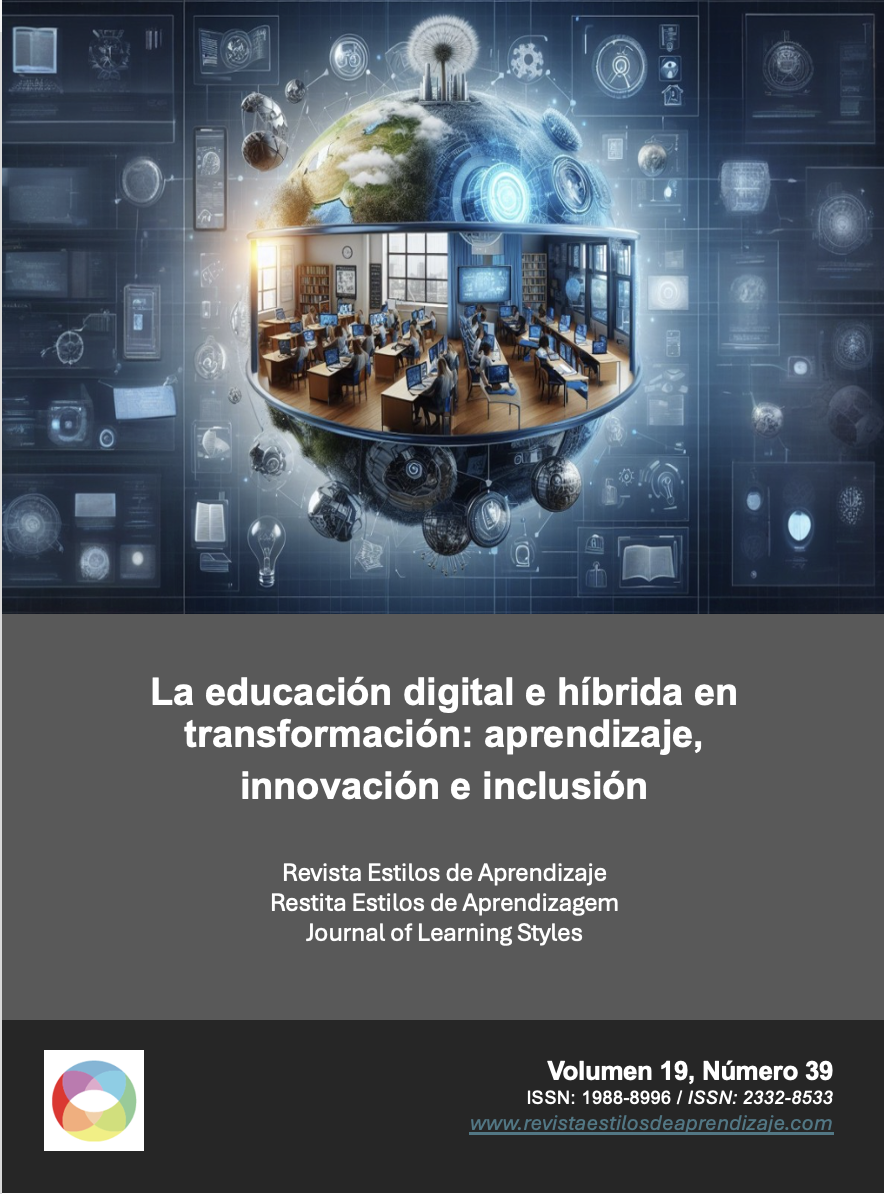
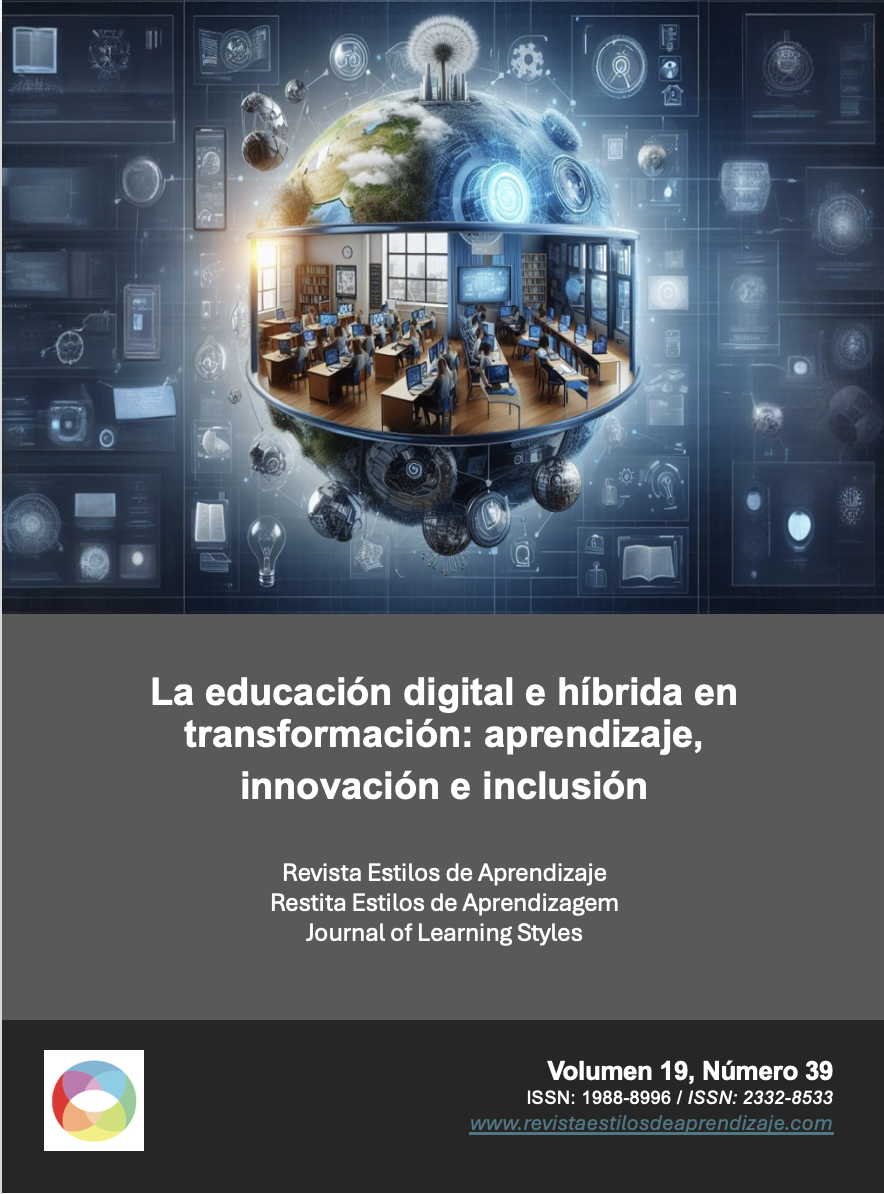
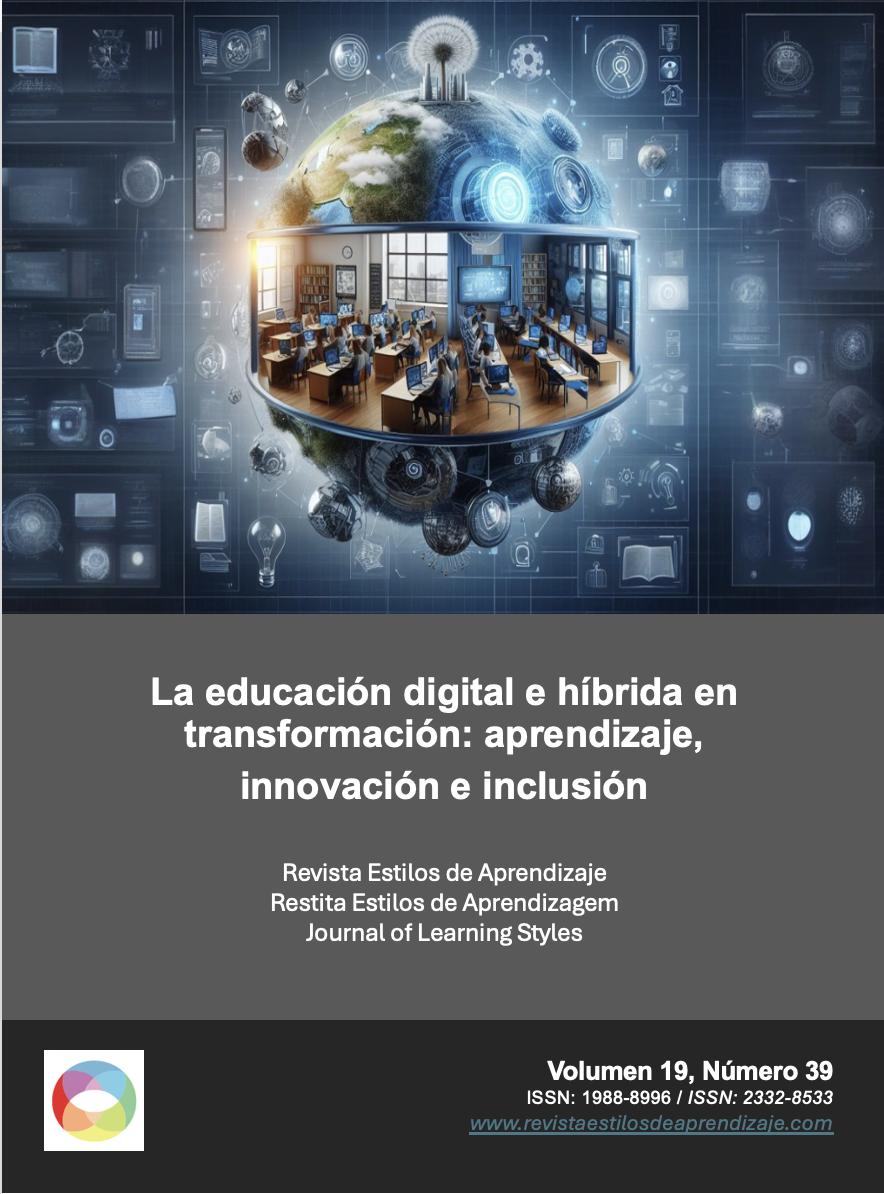
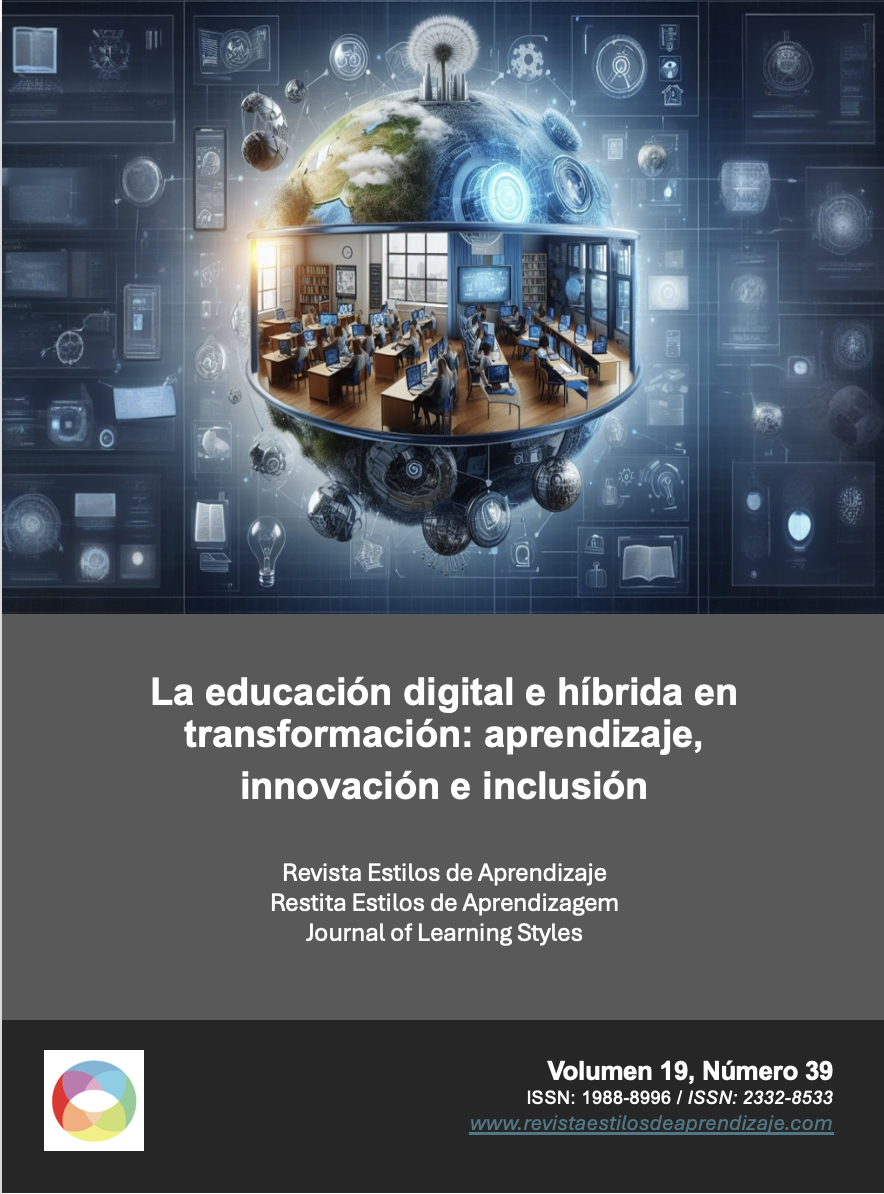
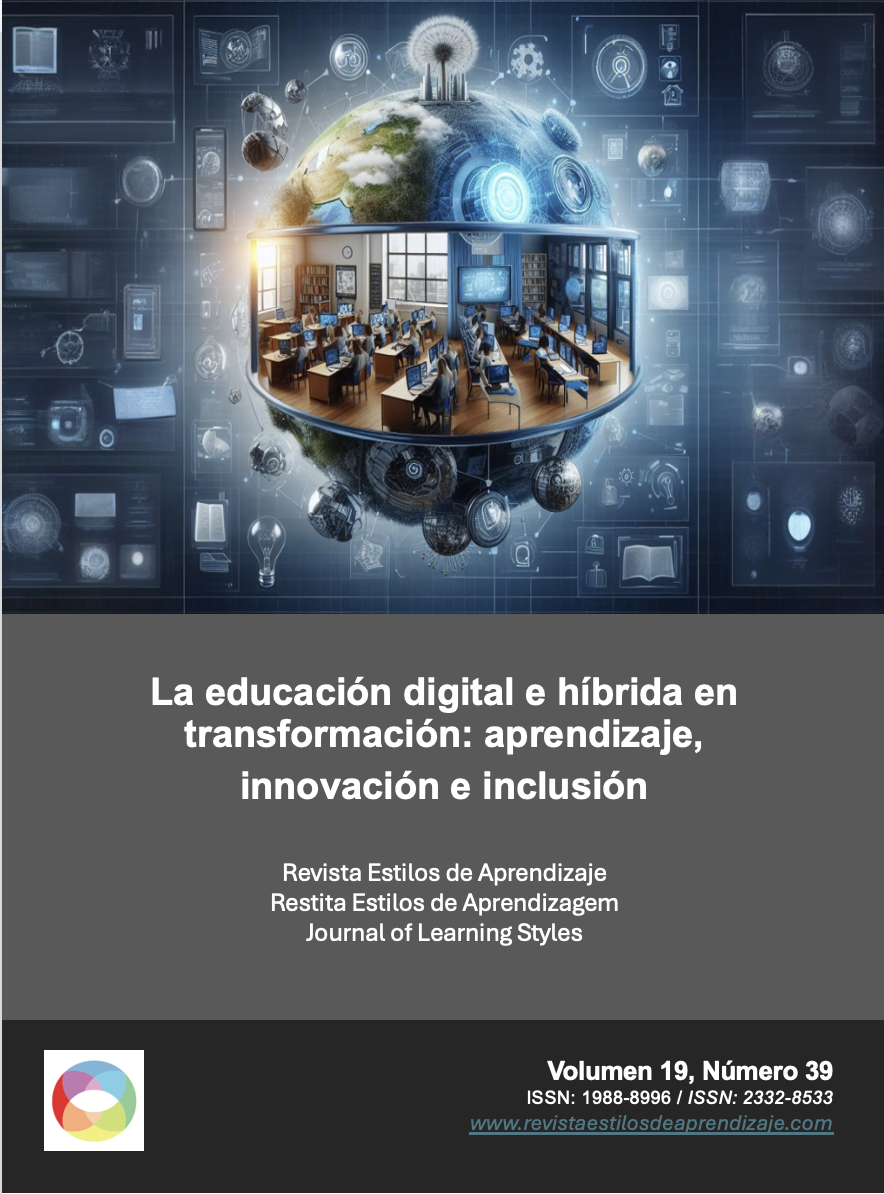


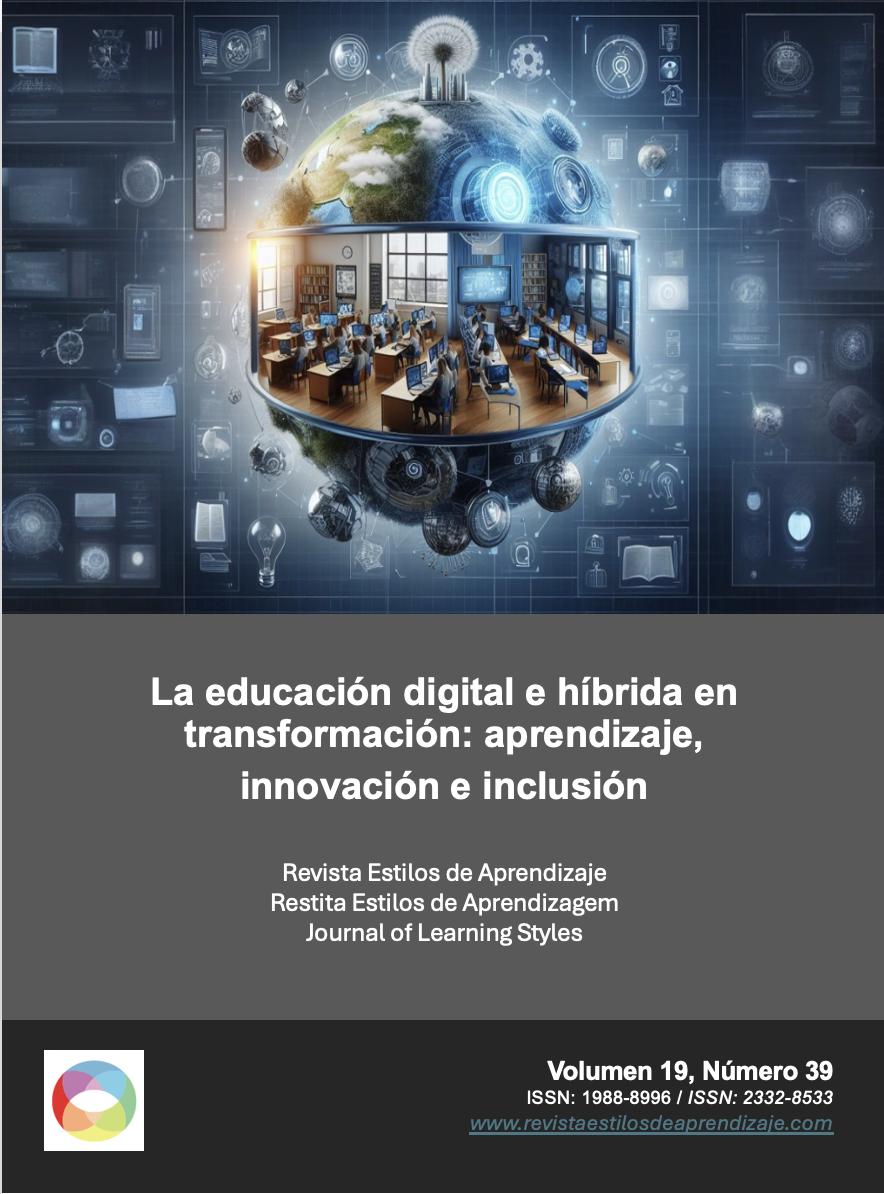
Contemporary education is undergoing profound changes driven by the integration of digital technologies and the expansion of hybrid learning models. These changes are redefining the way learning takes place, how teaching is designed and how education systems respond to diversity, inclusion and quality. In this constantly evolving landscape, understanding learning processes, pedagogical innovation and the role of emerging technologies has become central to the advancement of both theory and practice. From artificial intelligence and learning analytics to inclusive design and teacher development, digital and hybrid education presents new opportunities — as well as new challenges — for educators and institutions worldwide. This special issue of the Journal of Learning Styles invites submissions that explore these transformations, focusing on learning in hybrid and digitally mediated environments.
The call for papers invited submissions of original research articles, theoretical studies and case studies focused on analysing the challenges, opportunities and innovations that are transforming education in digital and hybrid environments. Key topics included learning styles and processes in technology-mediated contexts; artificial intelligence, learning analytics and data-driven education; as well as innovative pedagogical approaches and instructional design aimed at improving learning outcomes. Contributions were also received focusing on the development of digital skills and teacher training, inclusive education and universal design for learning, hybrid models and the reconfiguration of teaching and learning processes, as well as assessment, feedback and evaluation strategies in digital environments. The call for papers also included submissions relating to social inclusion and equity in access to digitally mediated education, alongside studies on institutional innovation, leadership and educational policies aimed at driving sustainable educational transformation in digital and hybrid settings.
Editores invitados
João Mattar, Pontificia Universidad Católica de São Paulo, Brasil
Cassio Santos, Polo de Literacia Digital e Inclusão Social, Instituto Politécnico de Santarém, Portugal
Daniela Karine Ramos, Universidad Federal de Santa Catarina, Brasil

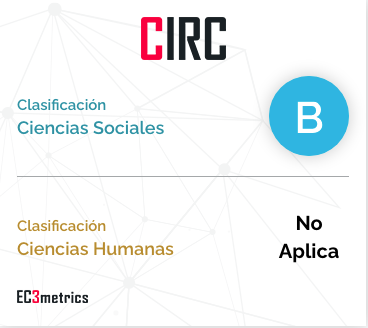
INDEXADA EN:
Journal Citation Report - Journal Impact Factor (JCR-JIF)
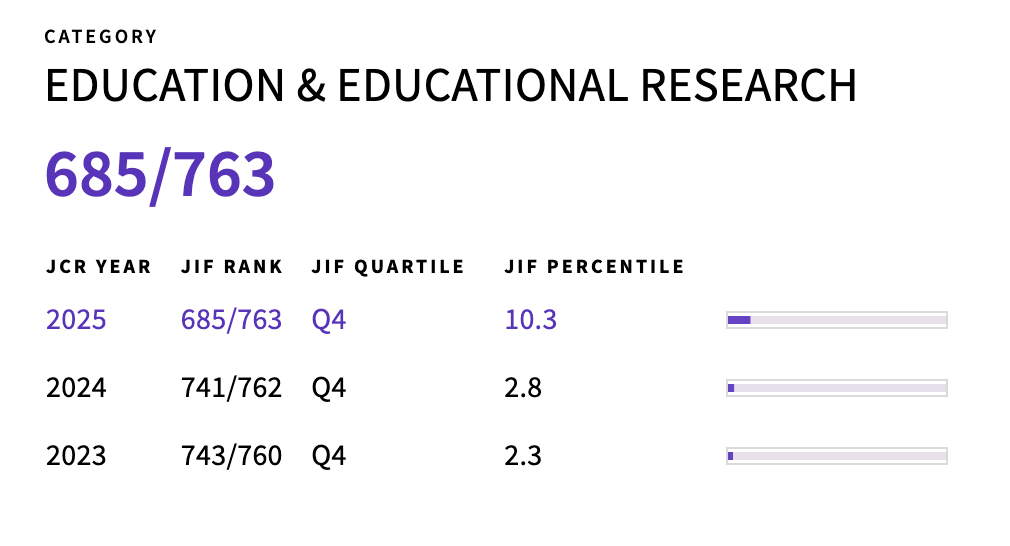
2025 = JIF: 10.3, percentile 10,3 Q4
2024 = JIF: 0,1, percentile 2,8, Q4
2023 = JIF: 0,1, percentile 2,3, Q4
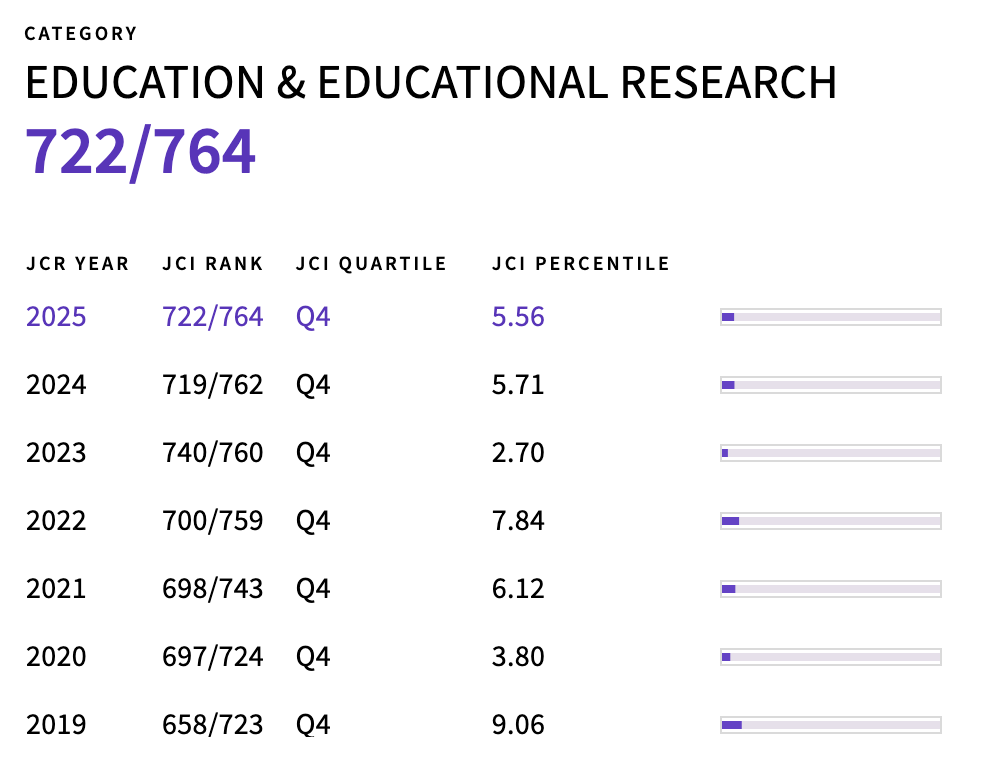
Journal Citation Report - Journal Citation Indicator (JCR - JCI)

ANTIPLAGIARISM POLICY